Image generatorUpdated Oct 20, 2026

AI Halloween Trends 2026

Seasonal search demand moves faster than most product pages. Costume lists are published in August, but the looks that actually spread are often decided in October by short video and group chats. This page tracks the directions that are getting generated, not just the costumes that are getting sold.

  • Browse without signing up
  • Credit costs are shown before you generate
  • Works on desktop and mobile
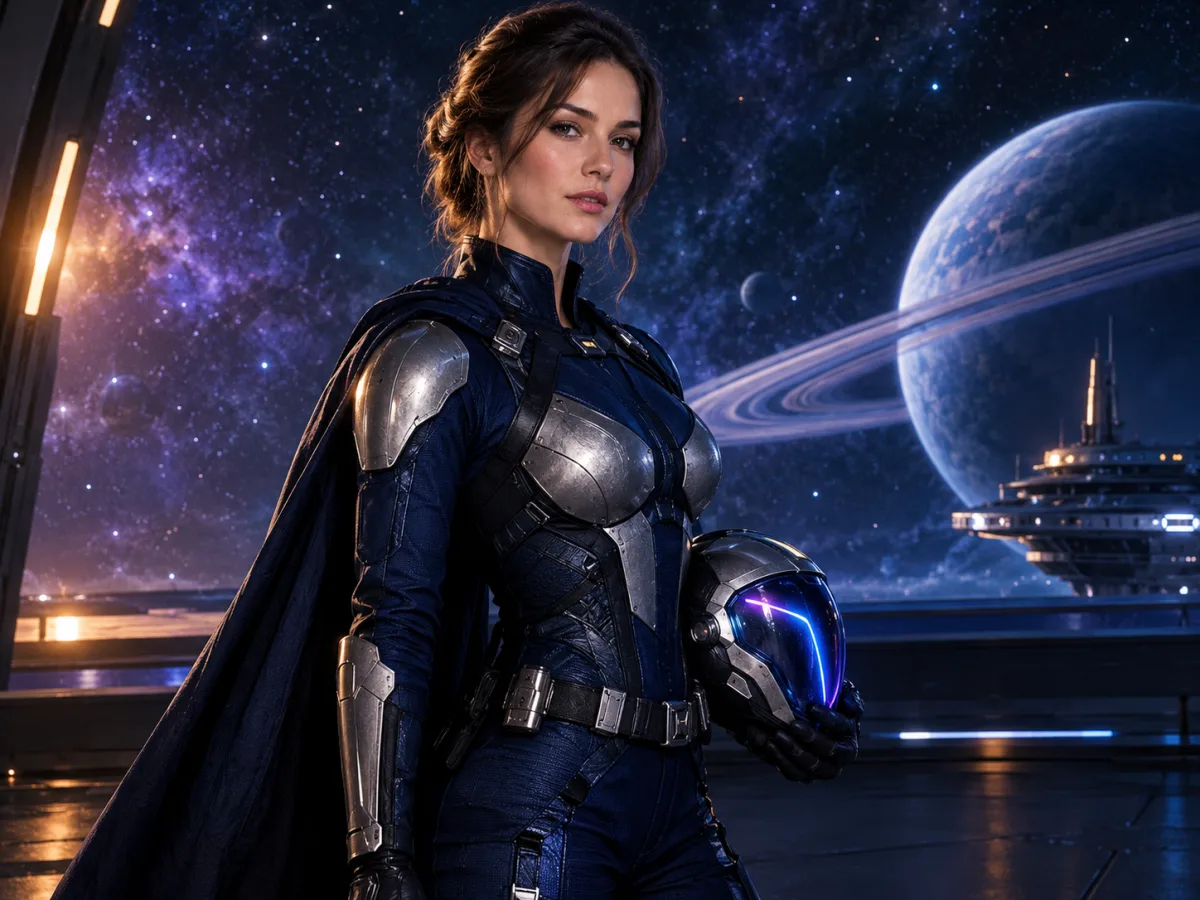
AI Halloween trend example of an original galactic hero costume portrait with a star field background
Galactic Hero · Image generator

Quick answer

The 2026 Halloween AI trend is moving away from generic witches and toward character-led portraits: haunted unicorn mascots, long braided gothic hair, celestial princess gowns, disco pets and wearable robot costumes. The common thread is a strong silhouette that reads in a thumbnail.

Written and tested by the Text to PSD product teamStandard image: 8 credits · Browser tools are free

Every example on this page was generated with GPT Image 2 using the same look described in the prompt. Example images are not customer photos.

Looks you can generate

We combine three signals: search interest for Halloween AI terms, the costume and character names circulating in trend reports, and the prompts people actually copy from this site. The result is a short list of directions worth testing, with a prompt for each.

Original galactic hero Halloween costume portrait with silver armor and a star field background

Galactic Hero

A wearable sci-fi hero costume with brushed silver armor and a glowing visor. Original, not a film character, so it is safe to post.

Prompt recipe

Copy this prompt, open the workspace, upload your photo, and paste it into the prompt field.

Use the uploaded photo as the identity reference and keep the subject's face, skin tone and body proportions recognizable. Turn them into an original galactic hero Halloween costume portrait: a fitted midnight-blue tactical suit with brushed silver armor plates, a softly glowing visor held in one hand, and a short cape. Place the subject on a dark observation deck with a star field and a distant ringed planet. Use cinematic sci-fi editorial lighting, practical-looking materials, realistic reflections and a cool blue-and-violet palette with one warm accent light. Keep the same number of people. Avoid copying an existing film character, logos, text and watermarks.
Try this look
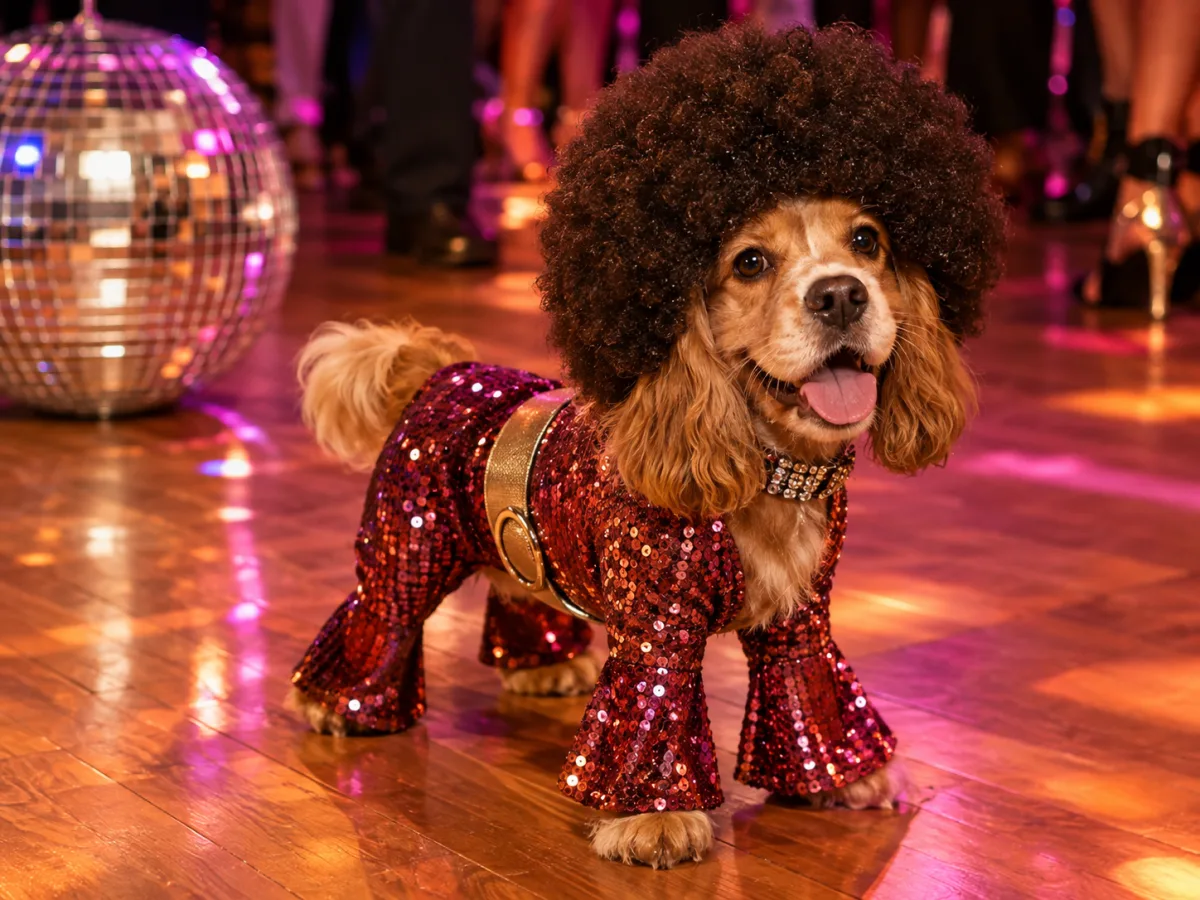
Dog in a retro disco costume with a sequined collar and afro wig on a dance floor

Disco Dog

A retro disco pet look with a sequined collar and a soft afro wig. Playful, shareable and easy to adapt to any breed.

Prompt recipe

Copy this prompt, open the workspace, upload your photo, and paste it into the prompt field.

Use the uploaded pet photo as the primary reference and preserve the animal's breed, fur pattern, eye color and anatomy. Dress the pet in an original retro disco costume: a tiny sequined collar, a wide belt and a soft afro-style wig that does not cover the eyes. Place the pet on a warm wooden dance floor with a mirrored ball, soft spotlights and a blurred crowd of feet in the background. Use playful editorial pet photography, realistic fur and sequin textures, warm amber and magenta lighting, and a shallow depth of field. Do not copy an existing cartoon character. Avoid extra animals, distorted paws, text and watermarks.
Try this look

How it works

  1. Step 1

    Watch the silhouette, not the label

    A trend survives because the shape reads at a glance. Braids, a horn, a crown, a helmet or a pumpkin onesie all do that.

  2. Step 2

    Test one direction per photo

    Generate the same photo in two or three trend directions. The comparison tells you which silhouette suits the person.

  3. Step 3

    Post the version that gets a reaction

    Share both with a friend or in a group chat. The one people ask about is usually the one worth developing.

The five directions driving 2026 Halloween AI

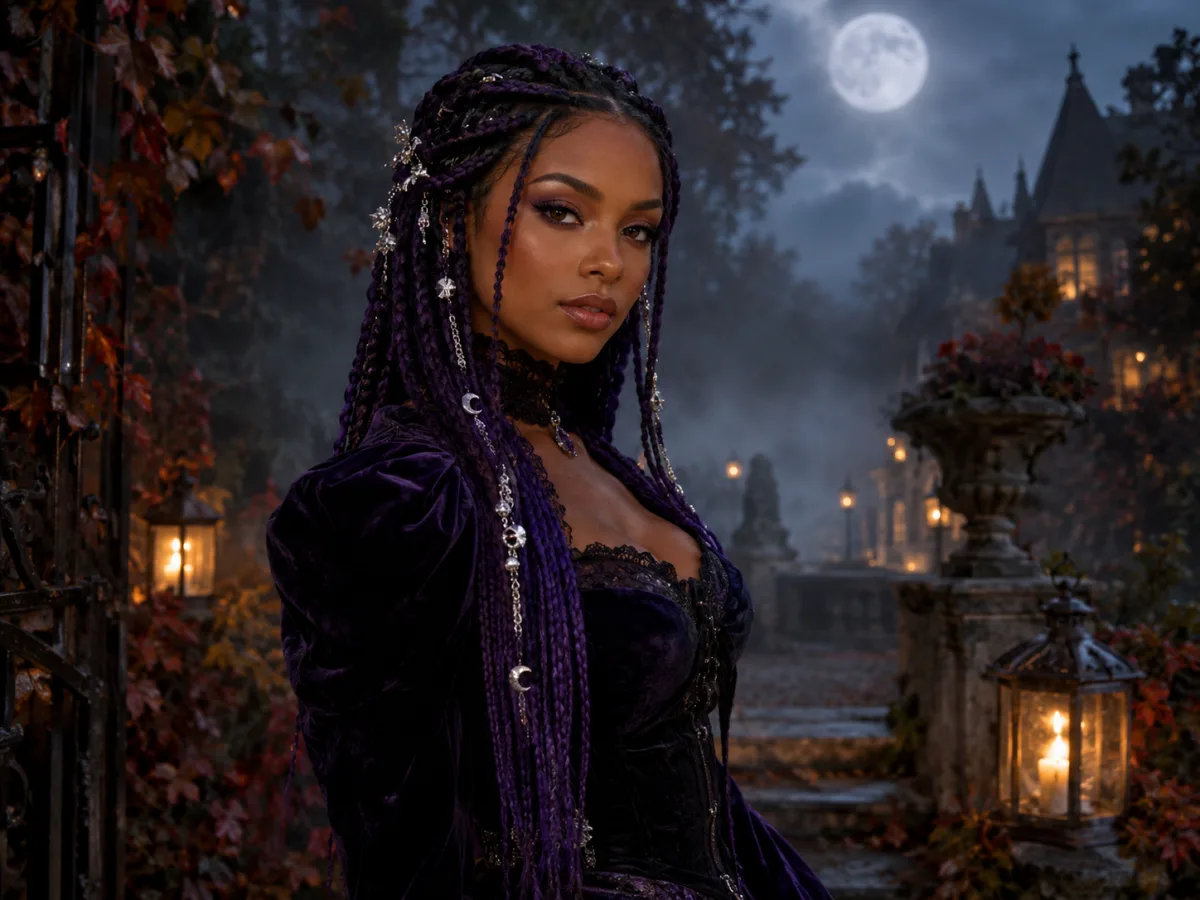
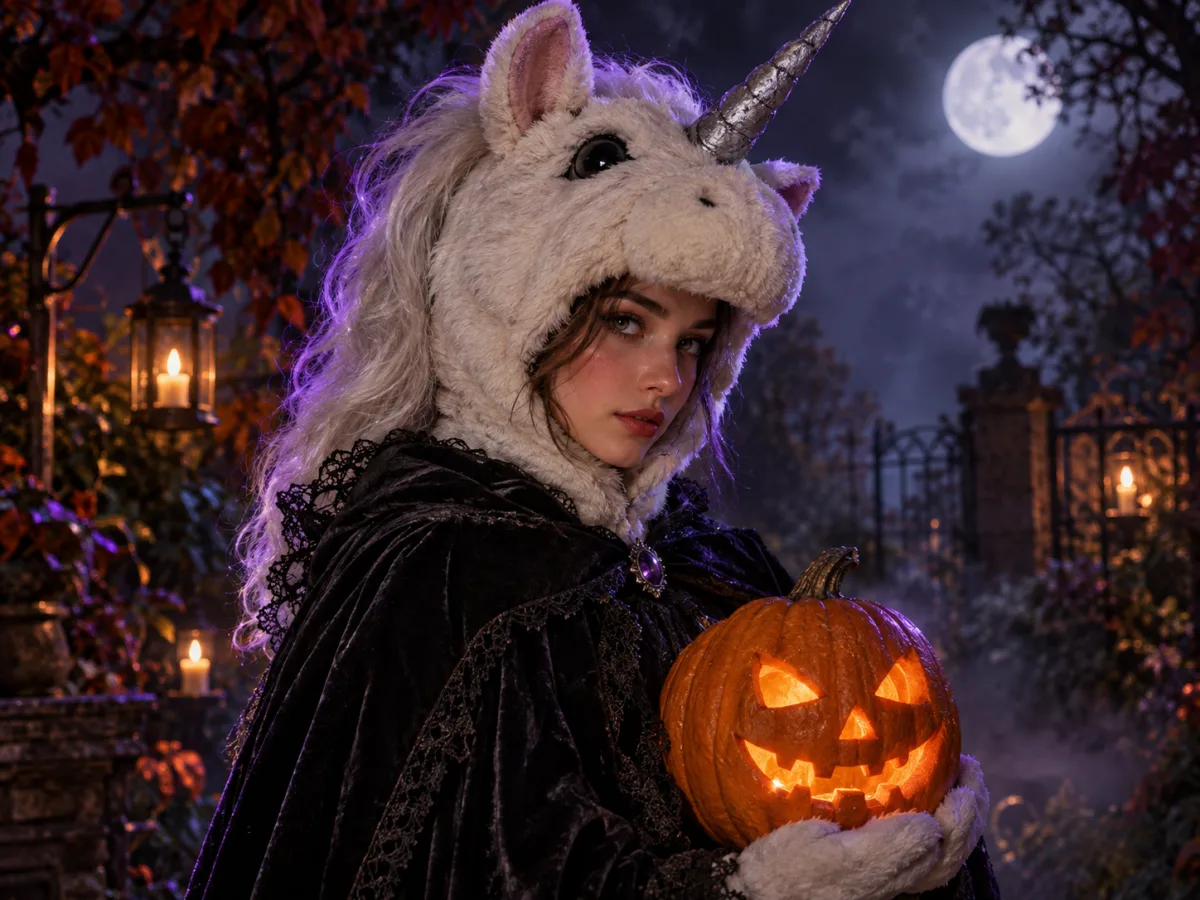
First, mascot horror: plush heads, single horns and unsettling cute characters. Second, gothic glam: long braids, black velvet, silver jewelry and moonlit gardens. Third, celestial fantasy: star embroidery, moon crowns and deep blue gowns. Fourth, wearable sci-fi: armor panels and LED accents that still look like a costume. Fifth, pet cosplay: pumpkin, dinosaur and food-themed outfits.

Each direction has a distinct silhouette. That matters more than the specific character name because a silhouette survives a change in model, lighting or source photo.

  • Mascot horror with a plush head and a single horn
  • Gothic glam with braids, velvet and silver hardware
  • Celestial fantasy with star patterns and moon crowns
  • Wearable sci-fi with armor panels and LED accents
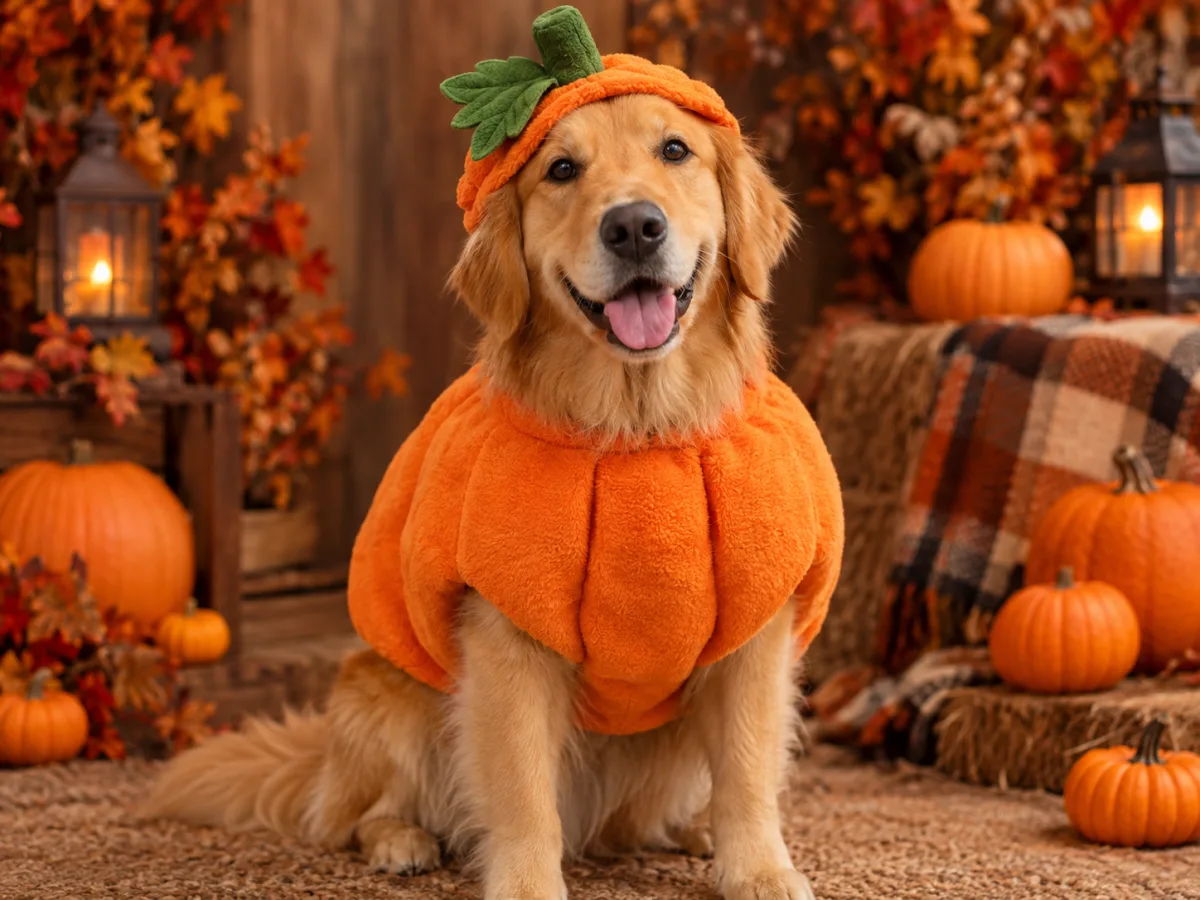
  • Pet cosplay with pumpkin, dinosaur and food themes

Why low-search-volume words still matter

A costume name with a few hundred monthly searches can still be worth a page when the intent is specific and the competition is thin. The long tail is where a new site can rank before it has authority.

The mistake is treating a small keyword as a small opportunity. Seasonal demand can spike far above the annual average in the last two weeks of October. A page that is already indexed when the spike arrives captures more than a page published after it.

What to generate first

If you only have one photo, start with the gothic braid look. It has a strong silhouette, works on most face shapes and does not depend on a specific costume body. If you have a pet, start with the pumpkin look. If you have two people, start with the cowboy-and-angel pairing.

If you are making content rather than a personal costume, generate a set of three: one close-up, one full-body and one environmental shot. The set is more useful than three variations of the same framing.

Reading trend data without fooling yourself

Third-party keyword tools estimate seasonal words poorly. A tool may show a few hundred monthly searches for a costume term that spikes twenty-fold in the last week of October. Use the tool for relative comparison, then check Google Trends for shape and recency.

The most reliable signal is your own page data: impressions, clicks and which preset people actually generate. That is why every page here has a copyable prompt and a distinct URL. You can see which direction earns attention instead of guessing from a list.

Who it is for

  • Choosing a costume direction that photographs well
  • Planning a Halloween content series
  • Finding an under-served seasonal keyword
  • Comparing two trend directions on the same photo

Frequently asked questions

What is the biggest AI Halloween trend in 2026?

Mascot horror is the breakout direction, especially original plush-character portraits with a single horn or an unsettling smile. Gothic braids and celestial princess looks are close behind because both have a strong silhouette.

Are these official costumes?

No. Every look on this page is an original direction. We do not reproduce licensed characters, film costumes or celebrity likenesses. Use the prompts as inspiration and adapt the details to your own costume.

How do you pick the trends?

We look at search interest, costume trend reports, social video themes and the presets people actually generate on this site. The list is a starting point, not a guarantee that a look will work for you.

Should I make a page for every trend?

No. Only make a page when the intent is distinct and the page can offer something different: a tuned prompt, a different output type or a specific audience such as pets or couples. Thin duplicate pages hurt more than they help.

How early should a Halloween page go live?

As early as possible, ideally four to six weeks before the peak. Indexing takes time, and a page needs a few weeks of impressions before you can judge whether the title and content match the query.

Can I use a trend page for a different holiday?

Yes. The structure works for Christmas, New Year and Valentine's Day. Keep the same URL year over year and update the presets, prompts and examples instead of creating a new page each season.

Use a photo of yourself or one you have permission to use. Do not upload images of other people without consent.

Try the trend on your own photo

Pick one direction, generate it, then compare a second look. The best trend is the one that suits your face and your plans.